 English
 简体中文
简体中文
 ru
ru
 es
es

How to Choose a Solenoid Valve for Skid Steer Loaders
If you’re replacing a solenoid valve on a skid steer loader, the biggest risk isn’t finding a valve that fits — it’s finding one that looks right but is wrong on voltage, connector type, or sealing material. Getting any of these wrong means a valve that either won’t actuate, burns out on first use, or fails again within weeks. This guide walks through the five things to check before you buy, the most common ordering mistakes, and how to confirm you’re getting the correct part the first time.
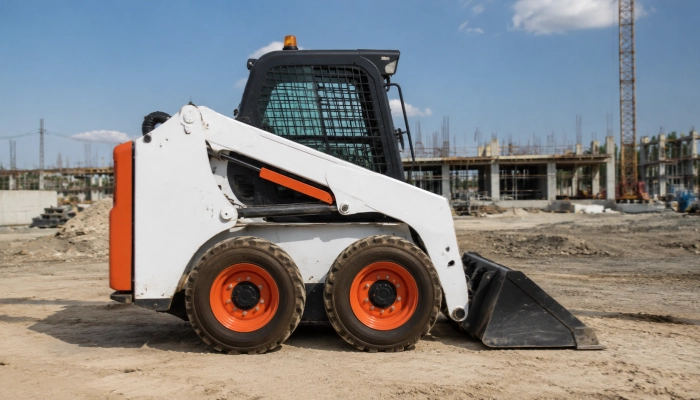
skid steer loader hydraulic solenoid valve selection guide
Why Skid Steer Solenoid Valves Differ From Excavator Valves
Skid steer loaders run smaller, higher-cycling hydraulic systems than excavators — the valves switch more frequently as the operator shifts between loader arm, attachment, and auxiliary hydraulic functions. That means skid steer solenoid valves are often rated for a different duty cycle and, depending on the model, a different voltage or connector standard than the excavator valves in the same manufacturer’s lineup. Assuming a solenoid valve that fits your excavator will also fit your skid steer — even from the same brand — is one of the most common reasons buyers order the wrong part.
5 Things to Check Before Buying
1. Voltage Rating (12V vs 24V)
This is the single most common mismatch. Skid steer electrical systems are typically 12V or 24V depending on the model and year, and a solenoid coil rated for the wrong voltage will either fail to actuate or burn out almost immediately once powered. Always confirm your machine’s system voltage before ordering — don’t assume based on machine size or brand alone.
2. Connector / Plug Type
Even when voltage and resistance match, a mismatched connector housing or pin count is one of the most common reasons for returns. Deutsch, AMP, and Packard-style connectors all look similar in photos but aren’t interchangeable. If possible, match your old connector against the listing photos, or provide a close-up photo when ordering.
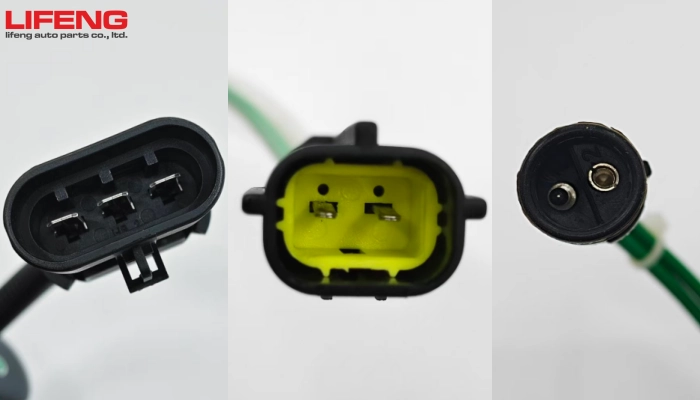
solenoid-valve-connector-types-comparison
3. Coil Resistance Spec
Coil resistance (measured in ohms) should match the OEM specification for your exact model. A coil with the wrong resistance can undercharge the valve so it won’t fully shift, or overheat under continuous operation.
4. Sealing Material (NBR vs Viton vs Others)
Seals are often the overlooked variable. NBR (nitrile) seals work fine for standard mineral hydraulic oil in moderate climates, but machines running in high-heat environments, or using biodegradable hydraulic fluids, typically need Viton or another chemical-resistant seal material. Using the wrong seal compound shortens the valve’s service life even if every other spec matches.
5. OEM Part Number Cross-Reference
The most reliable way to avoid all of the above is working backward from your original part number rather than forward from a generic description. If you’re not sure how to locate or confirm your part number, see our guide on How to Find the Right Solenoid Valve Part Number for JCB, CAT, Bobcat, John Deere, Case & New Holland.
Skid Steer Brand Compatibility Notes
Voltage, connector style, and resistance specs vary not just by brand but by model year and ECU generation, so treat any general chart as a starting point — not a substitute for confirming against your machine’s OEM part number. As a general pattern across the major skid steer brands:
| Brand | General Voltage Pattern | Notes |
| Bobcat | 12V on most compact models | Connector style has changed across generations — verify against your current plug |
| CAT | 12V or 24V depending on model | Larger skid steer models more often run 24V systems |
| John Deere | 12V on most compact models | Agricultural crossover models may differ from construction-specific models |
| Case | 12V or 24V depending on model | Confirm against chassis-specific documentation |
| New Holland | 12V on most compact models | Shares some hydraulic architecture with Case; still verify individually |
Always confirm against your machine’s specific model and serial number — voltage and connector specs can change even within the same model line across production years.
OEM vs Aftermarket: Which Should You Choose for a Skid Steer?
Both can work well for a skid steer solenoid valve replacement, but the right choice depends on your operating environment, budget, and how critical uptime is for that machine. We cover the full trade-offs — including when aftermarket is a smart choice and when it isn’t — in OEM vs Aftermarket Solenoid Valve Coils: What’s the Difference?
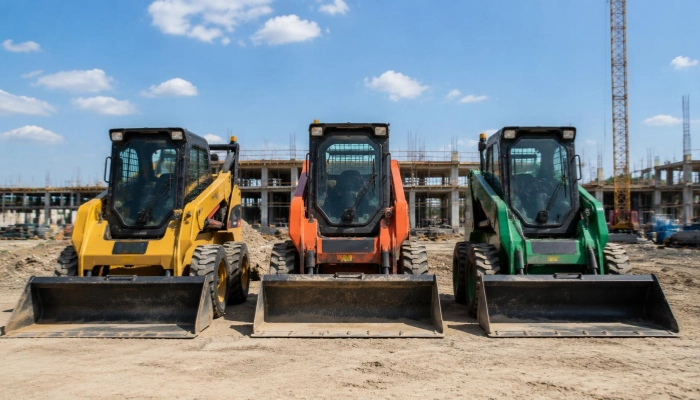
solenoid-valve-skid-steer-loader
Common Mistakes When Buying a Replacement Solenoid Valve
- Ordering by appearance alone.Two valves can look nearly identical in a photo and still have different voltage, resistance, or thread specs.
- Ignoring connector orientation and cable length.A valve that fits electrically but has the wrong cable length or a connector facing the wrong direction can make installation far harder than it needs to be.
- Guessing on voltage.Installing a 12V coil on a 24V system (or vice versa) is one of the fastest ways to burn out a brand-new part.
- Skipping the old part comparison.Even when you know the make and model, physically comparing the new valve against the old one before installation catches most mismatches before they become a problem.
How to Confirm You’re Ordering the Right Part
Before placing an order, it helps to have on hand:
- Your machine’s exact model and serial number
- The OEM part number, if visible on the old valve or in your service documentation
- A photo of the old valve and connector, if the part number isn’t legible
If you’re not sure which of these you have or how to find them, our team can help confirm the correct part from a photo or serial number — get in touch here and we’ll match it against the correct cross-reference before you order.
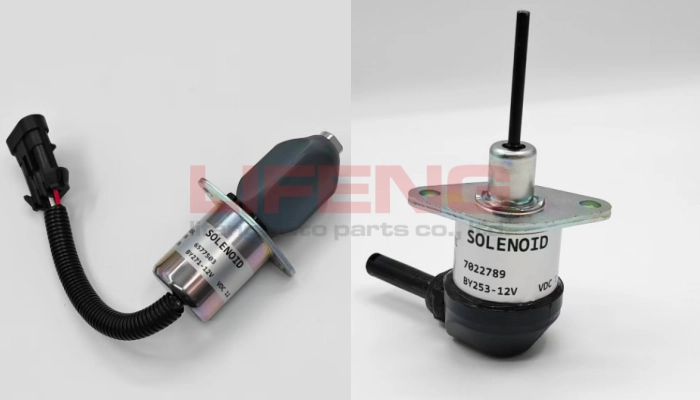
Bobcat solenoid valve replacement part 6577503 7022789
Related reading: How to Choose the Right Solenoid Valve for Your Excavator
