 English
 简体中文
简体中文
 ru
ru
 es
es

Bobcat Skid Steer Solenoid Valve Selection Guide
Bobcat’s skid steer and track loader lineup spans decades of models — from older F-series and G-series machines to current S-series and T-series loaders — and the solenoid valves controlling their hydraulics have changed along the way. This guide covers where these valves are used on a Bobcat machine, the signs one has failed, and how to confirm the correct replacement for your specific model.
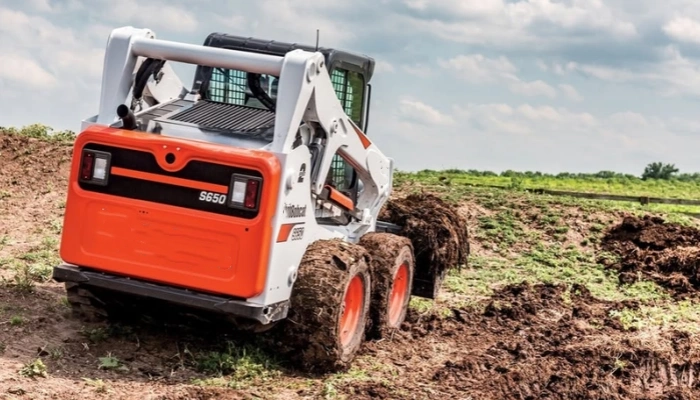
Bobcat Skid Steer Hydraulic System Overview
Bobcat’s wheeled S-series and tracked T-series loaders share a broadly similar hydraulic architecture, but the electrical side has evolved across generations — older machines commonly used simpler wiring, while newer machines run more electronically controlled functions through the cab display. That matters for solenoid valve selection because the same model name can span multiple electrical generations. A late-production S185 and an early one may not use the same coil spec, which is why matching by serial number matters more than matching by model name alone.
Where Solenoid Valves Are Used on a Bobcat Skid Steer
Main hydraulic control valve. Bobcat’s parts catalog lists solenoid valve stems that regulate fluid into the main hydraulic control valve — these are core to how the loader arm and bucket functions are controlled.
Auxiliary hydraulics. On many models, the auxiliary hydraulic solenoid valves sit on top of the main control valve block and control flow to attachments (buckets, augers, grapples, breakers, etc.). Because attachment performance depends directly on this circuit, a failing auxiliary solenoid often shows up first as an attachment acting sluggish, running in reverse, or not responding at all.
High-Flow option. Machines equipped with Bobcat’s High-Flow auxiliary hydraulics package have an additional solenoid tied to the high-flow pump circuit. Not every unit of a given model has this — it depends on how that specific machine was optioned and its serial number — so confirm via your serial number in Bobcat’s parts catalog before assuming your machine has (or doesn’t have) a high-flow solenoid.
Common Signs a Bobcat Solenoid Valve Needs Replacing
- Attachment (auxiliary) hydraulics acting sluggish, weak, or unresponsive
- Attachment running backward or only working in one direction
- A “high flow open circuit” or similar fault message on machines with the High-Flow option
- Loader arm or bucket function feeling delayed or inconsistent
These symptoms can also come from wiring, connector corrosion, or a stuck valve spool rather than a bad coil — for a full diagnostic walkthrough, see How to Test an Excavator Solenoid Valve and Symptoms of a Bad Hydraulic Solenoid Coil (the same testing logic applies to skid steers).
How to Choose the Right Replacement for Your Model
The most reliable approach is working from your machine’s serial number, not just the model name — Bobcat’s own parts documentation notes that part numbers and specs can vary within the same model depending on serial number range. A few things worth knowing before you order:
- Bobcat coil voltage is sometimes listed as a specific rating like 10V or 14V on the parts catalog, rather than a rounded “12V” figure — don’t assume a round number without checking the listing for your exact part.
- Connector style (Metri-Pack and similar) has changed across production years, so match the physical connector, not just the wire color.
- For the general electrical checks that apply across brands — voltage, resistance, connector type, sealing material — see our broader guide: How to Choose a Solenoid Valve for Skid Steer Loaders.
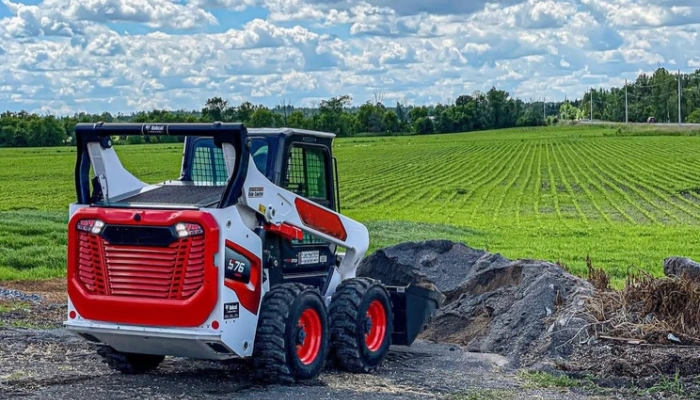
Maintenance Tips to Extend Solenoid Valve Life on a Bobcat
Bobcat skid steers and track loaders tend to work in dirtier, muddier conditions than larger excavators, and they also change attachments far more often — both of which put extra stress on the auxiliary hydraulic solenoids specifically. A few habits that help avoid premature failures:
- Keep connectors away from direct pressure-washer spray.Metri-Pack style connectors are weather-resistant but not designed for direct high-pressure jets at close range — aim around them, not directly at them, when washing down the machine.
- Check connector locking tabs during attachment changes.Because auxiliary solenoids get connected and disconnected more often on a skid steer than on most other machine types, the plastic locking tabs on the connector housing are a common wear point — a loose or cracked tab lets moisture and grit in over time.
- Inspect for mud packing around the main control valve.Since the auxiliary solenoids sit on top of the main control valve block, caked mud and debris in that area can trap moisture against the connectors longer than it would elsewhere on the machine.
- If your machine has High-Flow, cycle it periodically even if you don’t use it often.Solenoids that sit idle for long stretches are more prone to sticking than ones in regular use.
- Don’t ignore a flickering or intermittent fault light.An intermittent “high flow open circuit” or auxiliary hydraulics fault that comes and goes is often a connector or harness issue caught early — waiting until it’s a permanent fault usually means more time troubleshooting later.
OEM vs Aftermarket for Bobcat Solenoid Valves
Bobcat OEM coils and valve stems are readily available but can carry a premium price, especially for older or less common models. Aftermarket options exist and can be a solid choice depending on your operating conditions and how critical uptime is for that machine — we cover the full trade-offs in OEM vs Aftermarket Solenoid Valve Coils: What’s the Difference?, or browse our Bobcat solenoid valve coils in stock.
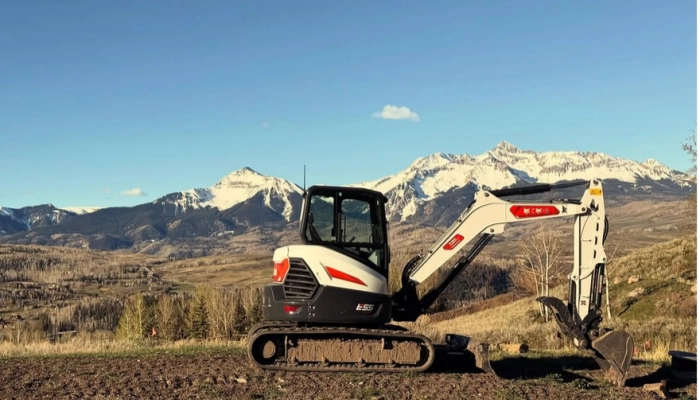
How to Confirm Your Bobcat Solenoid Valve Part Number
Before ordering, have these on hand:
- Your machine’s model and full serial number (not just the model name)
- The part number from the old solenoid valve or coil, if legible
- A photo of the old part and its connector, especially if the number has worn off
Not sure how to read your serial number or locate the part number? Our guide on How to Find the Right Solenoid Valve Part Number for JCB, CAT, Bobcat, John Deere, Case & New Holland walks through it — or send us your details directly and we’ll confirm the correct part before you order. Already know your part number? Go straight to our Bobcat parts catalog.
